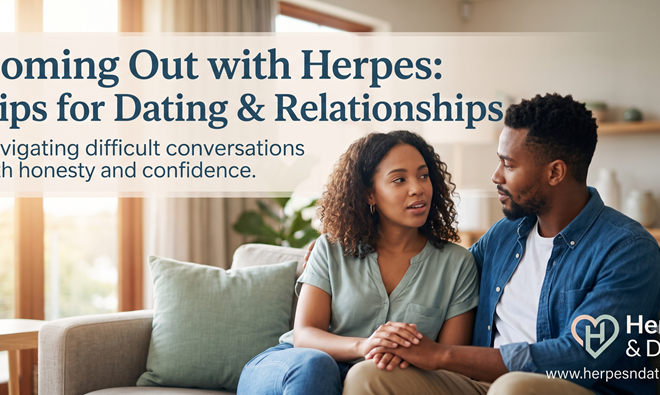
How to Stop Letting Herpes Dictate Your Love Life
A Herpes Diagnosis can change how you feel about dating, intimacy, and relationships. You may worry about rejection, struggle with self-confidence, or wonder whether someone will accept you after learning about your HSV status. However, herpes does not define your identity or determine your ability to experience love.
Learning how to stop letting herpes dictate your love life starts with accepting yourself, understanding your condition, and changing how you approach relationships. You deserve affection, respect, and meaningful connections just like anyone else.
With accurate information, honest communication, and emotional confidence, you can enjoy dating without allowing your diagnosis to control your decisions.
1. Stop Allowing Herpes to Define Your Identity
One of the biggest challenges after a herpes diagnosis is separating your health status from your self-worth. You might start believing that your diagnosis makes you less attractive or less deserving of love. These thoughts can gradually affect your confidence and social life.
Recognize Your Value Beyond HSV
Your personality, kindness, ambitions, humor, and interests are all important parts of who you are. Herpes is a medical condition, not your entire identity.
Building Herpes Dating Confidence begins with treating yourself with respect and recognizing that your diagnosis does not reduce your value.
2. Overcome the Fear of Rejection
Fear of rejection can prevent people from exploring romantic opportunities. Some individuals avoid dating because they assume potential partners will respond negatively to their HSV status.
However, everyone has different experiences, knowledge, and relationship expectations.
Do Not Assume Everyone Will Reject You
Some people may need time to understand herpes, while others may already have personal experience with HSV. Give people an opportunity to learn before deciding how they might respond.
Even if someone chooses not to continue a relationship, remember that rejection does not determine your worth. Healthy relationships with herpes are possible when both people communicate honestly and respect each other.
3. Learn to Discuss Your Diagnosis Confidently
Disclosure can feel uncomfortable, especially when you have developed feelings for someone. However, honest communication is essential before sexual activity that could expose another person to HSV.
Choose the Right Time and Approach
Have the conversation privately and calmly before sexual intimacy. Give the other person time to understand your situation and ask questions.
You could say:
“I want to share something about my health because honesty matters to me. I have herpes, and I understand how to manage the condition and reduce transmission risks. I’m happy to answer any questions.”
Practicing herpes disclosure conversations can make these discussions feel more natural and less stressful.
4. Understand Herpes Instead of Believing Misconceptions
Accurate medical information can help you approach relationships with greater confidence. Herpes simplex virus can spread through direct skin-to-skin contact, including when visible symptoms are absent.
Learn About Prevention and Treatment
Condoms and other barrier methods can reduce transmission risk but cannot eliminate it completely. Daily suppressive antiviral medication can also reduce the risk of transmitting genital herpes to a partner. Avoiding sexual contact during outbreaks or warning symptoms is another important precaution.
Consult a healthcare professional to understand your individual circumstances and available treatment options.
Learning herpes transmission facts helps you replace unnecessary fear with informed decisions and responsible communication.
5. Explore Dating Platforms That Encourage Understanding
Finding someone who understands your experiences can make dating more comfortable. Specialized dating communities provide opportunities to connect with people who may share similar health experiences.
Consider HSV-Friendly Dating Communities
Platforms such as Positive Singles connect people living with STDs and STIs, including herpes. These communities can make initial conversations about health status easier and provide opportunities to build relationships with greater understanding.
However, specialized dating platforms are not your only option. You can also meet people through mainstream dating applications, hobbies, friendships, and everyday social activities.
Always protect your personal information and review platform privacy policies before sharing sensitive details.
6. Focus on Emotional Intimacy
A meaningful relationship involves more than physical attraction. Trust, communication, shared interests, and emotional understanding are equally important.
Build Connections Through Honest Conversations
Talk about personal interests, future plans, relationship expectations, and values. These conversations help you understand whether someone is right for you beyond physical attraction.
Developing Emotional Intimacy While Dating allows both partners to feel respected and appreciated. It also prevents your diagnosis from becoming the only subject in your romantic life.
7. Protect Your Mental and Emotional Well-Being
A herpes diagnosis can sometimes create anxiety, loneliness, or embarrassment. Ignoring these feelings may make dating more difficult.
Find Healthy Sources of Support
Consider speaking with a trusted friend, counselor, therapist, or healthcare professional. HSV support communities can also help you connect with people who understand similar experiences.
Avoid comparing your relationship journey with others on social media. Building self-confidence after herpes diagnosis takes time, and everyone moves forward at a different pace.
8. Establish Healthy Relationship Boundaries
Having herpes does not mean you should accept disrespectful behavior. A caring partner should understand your health concerns without using your diagnosis to control or embarrass you.
Expect Mutual Respect and Understanding
Discuss sexual health, prevention, personal comfort, and boundaries openly. Both partners should participate in decisions about intimacy and consent.
Remember that healthy boundaries in herpes relationships help create trust and protect the emotional well-being of both people.
9. Give Yourself Permission to Enjoy Love Again
You can still experience romance, attraction, intimacy, and long-term commitment after a herpes diagnosis. You do not need to put your love life on hold because of fear.
Take Small Steps Toward Dating
Reconnect with friends, explore social activities, accept invitations, and allow yourself to meet new people. You do not have to rush into a relationship.
Focus on building positive dating experiences with HSV by choosing honest communication, mutual respect, and people who appreciate your personality.
Frequently Asked Questions (FAQs)
1. Can I have a normal love life after herpes?
Yes. Herpes does not prevent you from dating, getting married, experiencing intimacy, or building meaningful relationships. With appropriate precautions and communication, fulfilling relationships are possible.
2. How can I stop feeling ashamed about herpes?
Learn accurate information about HSV, challenge negative thoughts, and remind yourself that a medical condition does not define your worth. Professional counseling may also help.
3. Should I disclose herpes to someone I am dating?
You should disclose your HSV status before sexual activity that could expose your partner. Honest communication supports informed consent and shared prevention decisions.
4. Will someone accept me if I have herpes?
Yes. People have different experiences and perspectives about HSV. Many individuals are willing to understand the condition and build relationships based on trust and respect.
5. Are herpes dating sites helpful?
They can be helpful because members may already understand HSV-related experiences. However, mainstream dating platforms and offline social activities can also lead to meaningful relationships.
6. Can someone with herpes date an HSV-negative person?
Yes. Couples can discuss condoms, suppressive antiviral medication, and avoiding sexual contact during outbreaks or warning symptoms to reduce transmission risk.
7. Does herpes affect physical intimacy?
Herpes may require additional precautions, but it does not make intimacy impossible. Partners can discuss treatment, prevention, comfort, and boundaries together.
8. Can herpes affect long-term relationships?
Herpes does not prevent long-term commitment. Communication, emotional compatibility, honesty, and mutual respect remain important foundations of lasting relationships.
9. How can I rebuild my dating confidence?
Focus on self-acceptance, accurate medical information, supportive friendships, and positive social experiences. Give yourself time to feel comfortable dating again.
Final Thoughts: Your Diagnosis Does Not Define Your Love Story
Learning how to stop letting herpes dictate your love life means building herpes dating confidence and taking control of your choices, emotions, and relationship expectations. Your diagnosis deserves responsible attention, but it should never define your identity, limit your Relationships With Herpes, or prevent you from experiencing genuine love and meaningful connections.
Focus on self-acceptance, honest disclosure, emotional well-being, and healthy communication. Whether you meet someone through a specialized dating platform or an everyday social experience, remember that you deserve genuine affection and respect.
Herpes may be part of your health story, but it does not have to control your love story.