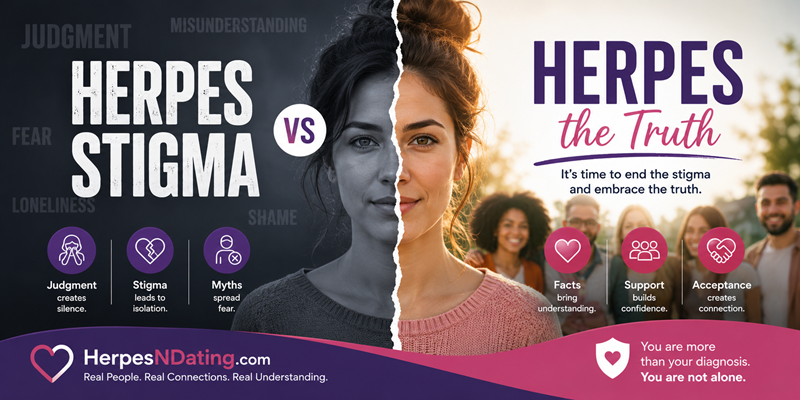
For many people, the most difficult part of a herpes diagnosis is not the physical symptoms. It is the fear, shame, anxiety, and judgment that often follow. This raises an important question: Is Herpes Stigma worse than herpes itself? The answer may surprise many people. While herpes is a common viral condition that millions of people manage successfully, the social stigma attached to it can create emotional pain that lasts far longer than physical symptoms. Many individuals report that the diagnosis affected their confidence, relationships, and mental well-being more than the virus itself.
Understanding the difference between the medical reality of herpes and the social myths surrounding it is essential. When people have accurate information and support, they often discover that a fulfilling romantic life, healthy relationships, and strong self-esteem are still completely possible.
Understanding the Reality of Herpes
Herpes is one of the most common viral infections worldwide. Yet despite how common it is, misinformation continues to shape public opinion.
Many people imagine herpes as something rare or life-destroying. In reality, countless individuals live normal lives, pursue successful careers, get married, have families, and maintain healthy relationships while managing herpes.
The physical experience varies from person to person. Some people have occasional outbreaks, while others experience very mild symptoms or none at all. Modern treatment options and healthy lifestyle choices often help individuals manage symptoms effectively.
However, what often creates the greatest burden is not the virus itself but the reaction society has conditioned people to expect.
This is where herpes stigma becomes a serious issue.
Why Herpes Stigma Hurts So Much
When someone receives a herpes diagnosis, they are often immediately exposed to fear-based messages.
Questions begin racing through their mind:
- Will anyone ever date me again?
- Should I tell my friends?
- What will my partner think?
- Am I less attractive now?
- Will people judge me?
These concerns are not usually caused by the virus. They are caused by social perceptions.
The emotional weight of herpes stigma can trigger feelings of isolation, embarrassment, and self-doubt. Some people withdraw from dating completely. Others avoid discussing their diagnosis because they fear rejection.
Research and mental health professionals have consistently observed that the psychological burden associated with herpes often exceeds the physical effects.
The virus may cause temporary symptoms.
Stigma can affect someone’s self-image for years.
The Emotional Impact of a Diagnosis
The initial diagnosis can be overwhelming.
Many individuals experience shock, sadness, anger, or confusion. Some even report symptoms similar to grief.
The Emotional Impact Of Herpes often includes worrying about future relationships, feeling different from others, and questioning personal worth.
These feelings are understandable.
Unfortunately, social stereotypes reinforce the idea that herpes defines a person. It does not.
A virus does not determine someone’s character, attractiveness, intelligence, kindness, or ability to love and be loved.
People living with herpes remain the same individuals they were before diagnosis.
The challenge is often learning to see themselves that way again.
Living With Herpes: What People Learn Over Time
One of the most common experiences among individuals Living With Herpes is that life becomes easier with time.
The first few weeks or months may feel difficult. But as people learn more about the condition, many discover that their fears are larger than reality.
They learn:
- Herpes is manageable.
- Dating is still possible.
- Relationships can thrive.
- Disclosure conversations become easier.
- Confidence can return.
Many people eventually reach a point where herpes becomes a small part of their lives rather than the center of it.
The journey from fear to acceptance often begins with education and support.
Herpes and Mental Health: An Overlooked Conversation
The connection between herpes and mental health deserves more attention.
Feelings of anxiety and depression can develop when people internalize stigma.
Negative self-talk may sound like:
“I am damaged.”
“No one will want me.”
“My dating life is over.”
These thoughts are not facts.
They are emotional responses fueled by fear and misinformation.
Mental health professionals often encourage individuals to challenge these beliefs by focusing on evidence rather than assumptions.
Protecting mental health involves looking for accurate information, building supportive relationships, and refusing to allow stigma to define personal identity.
The Truth About Herpes Dating Challenges
One area where stigma becomes especially visible is dating.
The fear of rejection creates significant Herpes Dating Challenges for many individuals.
People often postpone dating because they assume disclosure will automatically lead to rejection.
Interestingly, many discover the opposite.
While not every conversation results in a relationship, honesty often leads to respect.
Some partners respond with curiosity rather than judgment.
Others appreciate transparency and openness.
Many people find that discussing herpes actually creates stronger communication and trust early in relationships.
Successful dating with herpes is not about finding someone willing to “accept” you despite herpes.
It is about finding someone who appreciates you as a complete person.
Herpes Disclosure in Relationships: Why Honesty Matters
One of the most feared moments for people with herpes is disclosure.
The topic of Herpes Disclosure In Relationships can feel intimidating, especially for those who are newly diagnosed.
However, disclosure is often much less dramatic than people imagine.
Healthy conversations typically include:
- Sharing accurate information.
- Discussing transmission risks.
- Explaining preventive measures.
- Answering questions honestly.
Most importantly, disclosure demonstrates respect and trust.
Many couples report that honest communication strengthens emotional intimacy.
People often expect the worst-case scenario. Yet many real-life experiences show that partners are more understanding than anticipated.
Confidence, preparation, and factual information make a significant difference.
Overcoming Herpes Shame
One of the most powerful steps toward healing is overcoming herpes shame.
Shame grows in secrecy.
It thrives when people believe they are alone.
But shame loses power when challenged with facts and self-compassion.
Consider these truths:
Millions of people have herpes.
People deserve compassion regardless of their health conditions.
The process of overcoming shame often involves changing the internal narrative from:
“Something is wrong with me.”
to
“I am managing a common health condition.”
That shift can be life-changing.
Herpes Acceptance and Confidence: The Turning Point
The path toward Herpes Acceptance And Confidence is different for everyone.
Some people reach acceptance quickly.
Others need more time.
Acceptance does not mean pretending herpes is enjoyable.
It means recognizing that it does not control your future.
Confidence grows when people focus on their strengths rather than their diagnosis.
Many individuals discover that herpes encourages personal growth.
Over time, confidence often returns stronger than before.
What Relationships Teach Us About Acceptance
Many people fear that herpes will prevent love.
Yet countless relationships demonstrate the opposite.
Healthy partners tend to evaluate the entire person rather than a single medical condition.
This is where effective Herpes Relationship Advice becomes valuable.
Successful relationships often depend on:
Trust.
Communication.
Respect.
Emotional connection.
Shared values.
Herpes does not eliminate these qualities.
In many cases, navigating disclosure conversations actually strengthens them.
Relationships built on honesty frequently develop deeper emotional foundations.
Expert Perspective on Stigma and Herpes
Health professionals increasingly recognize that the emotional consequences of stigma deserve attention.
Medical providers often note that patients arrive with fears shaped by myths rather than facts.
Education frequently reduces anxiety.
When individuals understand transmission, treatment options, and prevalence rates, they often feel more empowered.
Experts also encourage patients to look for support when emotional distress becomes overwhelming.
Mental health care can play an important role in helping individuals process diagnosis-related emotions and rebuild confidence.
Frequently Asked Questions
Can people with herpes have successful relationships?
Yes. Many individuals with herpes have healthy long-term relationships, marriages, and families. Honest communication and informed decision-making are key components of successful relationships.
How does herpes affect mental health?
The connection between herpes and mental health is often related to stigma, fear, and anxiety rather than physical symptoms. Support, education, and counseling can help reduce emotional distress.
What are the biggest herpes dating challenges?
Common herpes dating challenges include fear of disclosure, concerns about rejection, and anxiety about transmission. Many people find these challenges become easier with experience and confidence.
Why is herpes disclosure important?
Herpes disclosure in relationships promotes trust, respect, and informed consent. Open communication allows both partners to discuss concerns and make decisions together.
How can someone start overcoming herpes shame?
Overcoming herpes shame begins with learning accurate information, challenging negative beliefs, connecting with supportive communities, and practicing self-compassion.
What role does a herpes support community play?
A strong herpes support community can provide emotional encouragement, practical advice, shared experiences, and reassurance that people are not alone.
Can confidence return after a herpes diagnosis?
Absolutely. Many individuals report that herpes acceptance and confidence grow over time as they gain knowledge, experience healthy relationships, and stop defining themselves by their diagnosis.
Does herpes make someone less desirable?
No. A diagnosis does not determine someone’s value, attractiveness, or ability to build meaningful relationships. Most lasting relationships are built on character, trust, and emotional connection rather than health status alone.
Conclusion
The conversation around herpes needs to shift from fear and judgment to understanding and support. While the physical symptoms of herpes are often manageable, the effects of herpes stigma can be far more challenging for many people. The anxiety, shame, and uncertainty that often follow a diagnosis can impact self-esteem, relationships, and overall well-being.
However, the experiences of millions of people prove that Living With Herpes does not mean giving up on love, dating, or personal happiness. With accurate information, open communication, and support from a herpes support community, individuals can successfully navigate herpes dating challenges, approach herpes disclosure in relationships with confidence, and improve their emotional well-being.