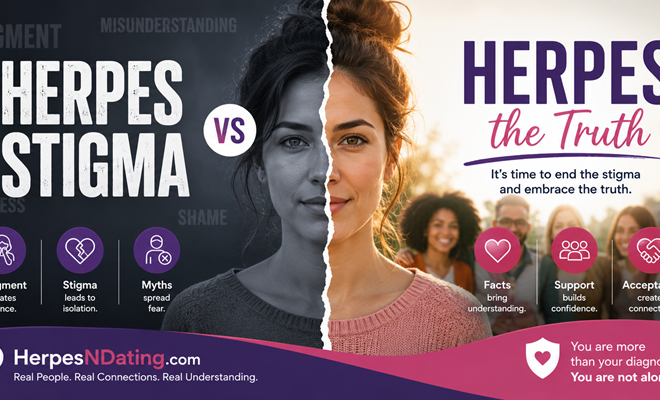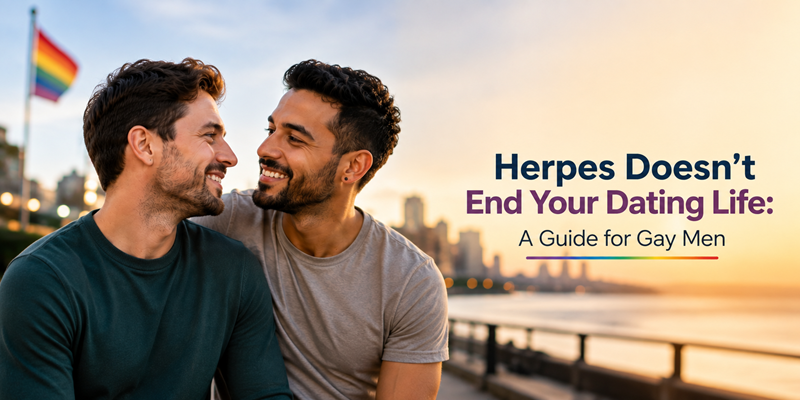
Living With Herpes can feel overwhelming, especially when it comes to dating. Many gay men worry that an HSV diagnosis will limit their chances of finding meaningful relationships or building lasting connections. The truth is very different. Herpes is a common skin condition, and millions of people continue to enjoy healthy, fulfilling romantic lives after diagnosis.
While the initial emotional impact can be challenging, knowledge, confidence, and honest communication can transform your dating experience. Instead of allowing fear to define your future, you can focus on building trust, practicing safer intimacy, and connecting with people who appreciate you for who you are. This guide explains how gay men can navigate dating with herpes while maintaining confidence, emotional well-being, and healthy relationships.
Understanding Herpes Beyond the Stigma
Receiving a herpes diagnosis often brings more emotional stress than physical symptoms. Social stigma, misinformation, and fear of rejection can make dating seem impossible. However, herpes is incredibly common worldwide, and many people either have HSV-1 or HSV-2 without even realizing it.
For gay men, dating involves the same relationship values as anyone else—honesty, respect, communication, and compatibility. Herpes does not define your personality, attractiveness, or ability to love. It simply becomes one part of your overall health that can be managed responsibly.
Learning the facts about herpes helps reduce unnecessary anxiety. Antiviral medication, safer sex practices, and understanding your body’s symptoms can significantly lower transmission risk while allowing you to enjoy an active dating life.
Building Confidence After a Herpes Diagnosis
Confidence often takes a temporary hit after learning you have herpes. You may question whether someone will still want to date you or whether relationships are still possible. These feelings are completely understandable, but they do not reflect reality.
Self-confidence begins by accepting that herpes is a manageable medical condition rather than a measure of your worth. Many successful, loving relationships involve one or both partners living with HSV. Focusing on your personality, interests, career, friendships, and emotional strengths reminds you that you are much more than your diagnosis.
Taking care of your physical health through regular exercise, balanced nutrition, stress management, and adequate sleep can also reduce outbreaks while improving your overall confidence.
When Should You Tell Someone?
Disclosure is often the biggest concern for people dating with herpes. Many wonder whether they should tell someone immediately or wait until the relationship develops.
There isn’t one perfect timeline that works for everyone. Generally, disclosure should happen before any sexual activity so both partners can make informed decisions together. Choosing a calm, private setting allows for an honest conversation without unnecessary pressure.
Rather than apologizing for your diagnosis, present the information confidently. Explain what herpes is, how you manage it, and how you reduce transmission risk. Most people respond better to factual information than assumptions or fear.
Remember that someone’s initial reaction may simply reflect surprise rather than rejection. Giving them time to process the conversation often leads to better understanding.
Tips for a Comfortable Disclosure Conversation
Approach the discussion with confidence instead of fear. Avoid treating your diagnosis like a secret or personal failure. Explain that herpes is common, manageable, and something you actively take responsibility for. Share accurate information instead of myths, answer questions honestly, and encourage open communication. Your calm attitude often influences how your partner responds.
Dating Apps and Meeting
Today’s dating apps provide opportunities to meet people from diverse backgrounds and experiences. Some individuals openly disclose their HSV status on specialized dating platforms, while others prefer discussing it privately after building trust.
Whether using general dating apps or communities designed for people Living With Herpes, authenticity remains essential. A genuine profile that reflects your interests, personality, and goals attracts people looking for meaningful relationships rather than superficial connections.
Instead of assuming rejection before it happens, focus on finding partners who value honesty and emotional maturity.
Practicing Safer Intimacy
Having herpes doesn’t mean intimacy has to stop. Responsible management can greatly reduce the chances of transmission.
Daily antiviral medication may decrease viral shedding for many individuals. Using condoms or other protective barriers provides additional protection, although they cannot eliminate all risk because herpes may affect areas not fully covered.
Avoid sexual activity during outbreaks or whenever symptoms such as tingling, itching, or discomfort appear. Open communication with your partner helps both of you make informed decisions that prioritize mutual health and trust.
Regular sexual health checkups also support healthy relationships by encouraging transparency and overall wellness.
Handling Rejection Without Losing Confidence
Rejection is a normal part of dating, regardless of herpes status. People end relationships or decline dates for countless reasons, including differences in personality, lifestyle, timing, or long-term goals.
If someone decides not to continue after learning about your diagnosis, it does not mean you are undesirable. It simply means they have made a personal decision that reflects their comfort level.
Rather than viewing rejection as proof that herpes controls your future, see it as an opportunity to find someone whose values align with yours. The right relationship is built on acceptance, respect, and mutual understanding.
Mental Health and Emotional Well-Being
Living with herpes can sometimes increase feelings of anxiety, loneliness, or self-doubt, especially during the early stages after diagnosis. Speaking with a therapist, joining supportive communities, or connecting with others who share similar experiences can help reduce isolation.
Practicing self-compassion is equally important. Avoid negative self-talk and remind yourself that your diagnosis does not change your value as a partner. Investing in emotional well-being creates stronger, healthier relationships over time.
Healthy Relationships Are Built on Trust
Every successful relationship depends on communication, honesty, and emotional connection. Herpes simply becomes one topic among many conversations couples have throughout their relationship.
Partners who communicate openly often develop stronger trust because they learn to discuss sensitive subjects respectfully. Many couples discover that facing challenges together actually strengthens their emotional bond.
Your future relationships are defined far more by kindness, loyalty, respect, and compatibility than by a manageable medical condition.
Frequently Asked Questions (FAQs)
Can gay men with herpes have successful relationships?
Yes. Many gay men living with herpes enjoy long-term, loving relationships. Honest communication and responsible health management help build trust and confidence.
Should I tell someone before we become sexually intimate?
Yes. Disclosure should happen before any sexual activity so both partners can make informed decisions together.
Can herpes transmission be reduced?
Yes. Daily antiviral medication, avoiding intimacy during outbreaks, using protection, and maintaining open communication can significantly reduce the risk of transmission.
Will everyone reject me because I have herpes?
No. Many people understand that herpes is common and manageable. While some individuals may choose not to continue dating, many others value honesty and accept the diagnosis.
Is it safe to date if I have herpes?
Yes. Dating is completely possible when you manage your health responsibly, communicate openly, and follow safer sex practices.
Can stress affect herpes outbreaks?
Yes. Stress, illness, lack of sleep, and weakened immunity may contribute to outbreaks for some individuals. Maintaining a healthy lifestyle can help reduce recurrence.
Are there dating communities for people living with herpes?
Yes. There are online communities and dating platforms where people living with herpes can meet others who understand their experiences, making it easier to build supportive and meaningful relationships.
Conclusion
Herpes does not end your dating life, and it certainly does not prevent you from finding meaningful Love As A Gay Man. While an HSV diagnosis may initially feel overwhelming, education, responsible health management, honest communication, and self-confidence can completely change your dating experience.
Every healthy relationship begins with authenticity and trust. By embracing who you are, practicing safer intimacy, and refusing to let stigma control your future, you can build lasting relationships filled with respect, affection, and genuine connection.