
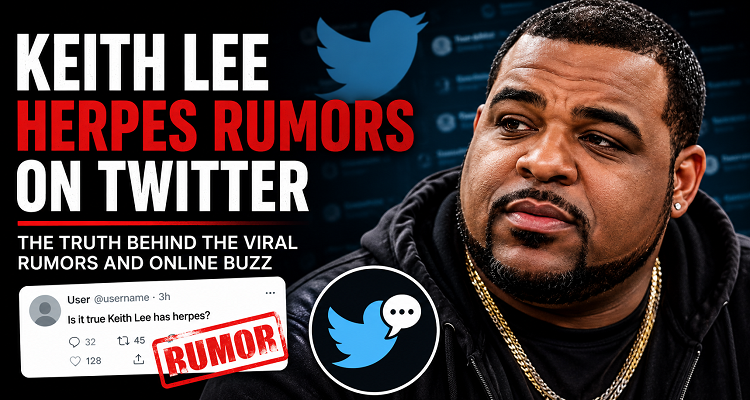
Social media personality and food critic Keith Lee has built a massive audience through his restaurant reviews, community support initiatives, and authentic online presence. However, like many high-profile internet figures, he has also faced waves of online speculation and rumours.
One topic that periodically resurfaced across social media platforms involved unverified herpes-related claims connected to Lee. The discussion gained traction on Twitter, where posts and reposts rapidly spread speculation without verified evidence.
How the Rumours Spread
The rumours reportedly originated from social media posts that lacked supporting documentation, medical confirmation, or credible sourcing. Despite the absence of verified evidence, the allegations circulated widely through reposts, screenshots, and online discussions.
Digital culture experts have repeatedly warned that social media algorithms often amplify controversial content because emotionally charged topics generate higher engagement rates.
As a result, rumours can spread faster than fact-checking efforts, especially when they involve celebrities, influencers, or public figures.
Keith Lee’s Rise to Online Fame
Keith Lee first gained attention through his mixed martial arts career before becoming one of the most influential food reviewers on social media. His restaurant reviews, often focused on local and family-owned businesses, helped him develop a large following across TikTok and other platforms.
His reviews have become so influential that many business owners refer to the phenomenon as the “Keith Lee Effect,” describing significant increases in customer traffic after receiving positive coverage.
Today, Lee is widely recognised as one of the most visible food content creators online, with millions of followers engaging with his reviews and community-focused content.

The Problem With Unverified Health Claims
Health-related rumours can be particularly damaging because they often involve private medical information.
Medical experts and digital ethics advocates consistently emphasise that a person’s health status should never become the subject of public speculation without verified facts and consent.
False or unconfirmed health claims can contribute to:
- Online harassment
- Reputational damage
- Mental health stress
- Increased stigma surrounding medical conditions
- Misinformation is spreading across social platforms
The situation surrounding Keith Lee demonstrates how quickly unverified information can become part of broader online conversations, regardless of factual accuracy.
Herpes Stigma Remains a Social Issue
The discussion also highlights a broader issue beyond any individual celebrity: the continuing stigma surrounding herpes.
According to the World Health Organisation (WHO), herpes simplex virus infections are extremely common worldwide. Public health experts frequently note that social stigma often causes more emotional distress than the physical condition itself.
Advocates argue that misinformation and jokes involving sexually transmitted infections can reinforce negative stereotypes and discourage people from discussing sexual health openly.
Public Reactions Across Social Media
Social media responses were mixed.
Some users repeated the allegations without evidence, while others criticised the spread of unverified rumours and encouraged people to avoid making assumptions about anyone’s personal medical information.
The incident became another example of how public figures often face scrutiny that extends beyond their professional work.
For influencers and creators with large audiences, even unsupported claims can generate widespread discussion before facts are established.
The Importance of Fact-Checking Online
Media literacy experts encourage users to verify information before sharing it online.
Important questions include:
- Does the claim come from a credible source?
- Is there documented evidence?
- Has the information been independently verified?
- Is the claim based solely on anonymous social media posts?
Applying these standards can help reduce the spread of misinformation and protect individuals from reputational harm.
Keith Lee Continues Focusing on Content Creation
Despite periodic online controversies, Keith Lee remains primarily known for his food reviews, restaurant recommendations, and support for local businesses.
His influence within the food content industry continues to grow, and his audience remains focused on the restaurant reviews and community engagement that helped establish his popularity.
Final Thoughts
The rumours involving Keith Lee illustrate how quickly unverified claims can spread across social media platforms. While online discussions often move rapidly, health-related allegations should be approached carefully and responsibly.
The broader conversation serves as a reminder that misinformation, privacy concerns, and health stigma remain significant challenges in the digital age. Responsible fact-checking and respectful online behaviour are essential when discussing personal topics involving public figures.
References
- World Health Organisation (WHO) — Herpes Simplex Virus Fact Sheets
- Centres for Disease Control and Prevention (CDC) — Genital Herpes Information
- Keith Lee profile and career background
- Original discussion coverage and rumour timeline
Reference: Popular TikTok Food Critic Keith Lee Has Arrived in the DC Area


