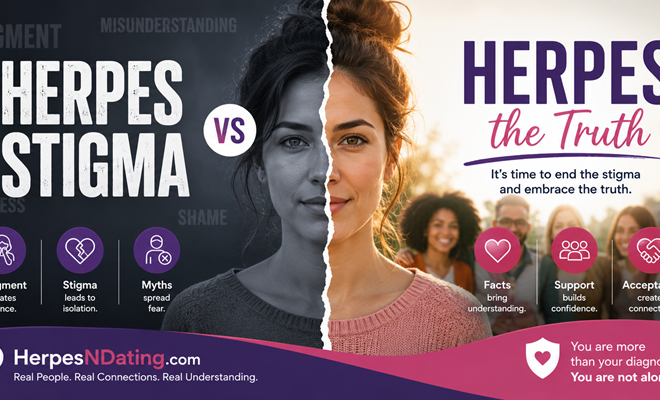
Coming Out and Herpes: When Two Conversations Overlap
Coming out can be a deeply personal experience, and living with herpes can add another layer of uncertainty when deciding what to share and when. For some people, these two conversations may happen at different points in life. For others, they may overlap, creating questions about identity, relationships, privacy, and acceptance. Understanding how to approach both conversations can make the process feel more manageable. With the right information and communication, Coming Out With Herpes does not have to define a person’s identity or limit their ability to build meaningful relationships.
Understanding Why These Conversations Can Feel Connected
Coming out usually involves sharing an important part of yourself with people you trust. This might involve sexual orientation, gender identity, or another aspect of personal identity. Herpes disclosure, on the other hand, involves sharing information about a sexually transmitted infection with someone who may be affected by that information.
Although these conversations are different, they can sometimes overlap emotionally. A person may worry about rejection from family, friends, or a romantic interest. They may also wonder whether revealing herpes will change how someone sees them. These concerns are understandable, particularly when social stigma creates unnecessary fear around herpes.
Herpes Does Not Define Your Identity
A herpes diagnosis is one part of a person’s health history. It does not determine their personality, values, attractiveness, sexuality, or ability to have healthy relationships. Learning this distinction can be important when navigating herpes and identity.
People living with herpes continue to date, form long-term relationships, get married, build families, and maintain fulfilling social lives. The diagnosis may require additional conversations about sexual health, but it does not erase the rest of someone’s identity.
Deciding What to Share During Coming Out
Coming out does not require sharing every personal detail at once. Each person has the right to decide what information they are comfortable discussing and with whom.
Someone may choose to first talk about their identity with a trusted friend or family member. Later, they may discuss their sexual health with a romantic partner. Keeping these conversations separate can sometimes make them easier to manage.
Privacy Is Still Important
Personal health information is private. Having herpes does not mean someone needs to announce their diagnosis publicly or explain it to everyone they know.
At the same time, disclosure becomes important in situations where another person’s sexual health could be affected. When entering a sexual relationship, honest communication allows both people to discuss risks, prevention, testing, and boundaries.
Understanding herpes disclosure and privacy can help people balance honesty with personal boundaries. Sharing information should be thoughtful, respectful, and appropriate to the relationship.
Talking About Herpes With a Romantic Partner
A herpes conversation can feel intimidating, especially when it takes place alongside a conversation about identity. However, a calm and direct discussion can help both people understand the situation without unnecessary assumptions.
Before having the conversation, it can help to learn basic facts about herpes transmission, symptoms, testing, and prevention. Reliable health information can make it easier to answer common questions.
Choose a Comfortable Setting
A private setting is usually better than trying to discuss sexual health during an emotionally intense moment. Give both people enough time to talk without feeling rushed.
You can explain that you want to share something important because you value honesty and mutual respect. The conversation does not need to become a long explanation. Clear and factual communication is often more helpful than apologizing repeatedly.
People exploring dating with herpes can also benefit from remembering that disclosure is a conversation between two people rather than a judgment about either person’s worth.
Managing Fear of Rejection
One of the biggest challenges surrounding herpes is the fear that disclosure will automatically end a relationship. Reactions can vary widely. Some people may need time to process the information, while others may already understand herpes and respond calmly.
A person’s reaction does not determine the value of the individual who disclosed. If someone needs time to think, allowing them space can be respectful. If someone responds with misinformation or stigma, it may be helpful to provide accurate information without feeling responsible for changing their entire perspective.
Building Confidence Before Disclosure
Confidence often comes from preparation. Understanding your own diagnosis and knowing the basic facts about transmission can reduce uncertainty.
It can also help to practice the conversation privately or with a trusted person. This can make it easier to explain Living With Herpes without becoming overwhelmed by fear or embarrassment.
Remember that disclosure is not an admission of wrongdoing. Herpes is a common viral infection, and having it does not make someone irresponsible or unworthy of respect.
Coming Out and Sexual Health Conversations
For LGBTQ+ people, coming out may already involve concerns about acceptance, family relationships, social expectations, and dating. Adding a herpes disclosure can make these concerns feel heavier.
However, these are separate aspects of a person’s life. Being LGBTQ+ and living with herpes are not mutually exclusive experiences, and neither should be treated as something that makes a person less deserving of love or respect.
Creating Honest Relationships
Healthy relationships are built through communication, boundaries, trust, and mutual respect. Sexual health discussions are one part of that communication.
For people navigating LGBTQ+ herpes dating, it can be useful to find spaces where sexual health discussions are treated respectfully. The goal should be honest communication rather than allowing stigma to control the relationship.
A supportive partner may have questions about transmission, protection, testing, or outbreaks. These questions can be discussed together without turning the diagnosis into the entire focus of the relationship.
Practical Tips for Combining Both Conversations
If coming out and herpes disclosure happen around the same period, consider taking one conversation at a time. There is no requirement to share everything in a single discussion.
Focus on What Feels Appropriate
Start with the information that is most relevant to the person you’re speaking with. A trusted friend may need to understand your identity, while a sexual partner may need information about your herpes diagnosis and prevention.
Keeping conversations focused can reduce emotional pressure. It also gives other people an opportunity to ask questions naturally.
Use Reliable Sexual Health Information
Online information about herpes can sometimes be confusing or inaccurate. Use reputable medical and public health resources when learning about transmission, symptoms, testing, and prevention.
Knowing the facts about herpes stigma and acceptance can also help separate medical realities from common myths. Education can make personal conversations more grounded and less influenced by fear.
Supporting Yourself After Disclosure
Disclosure can bring different emotions, including relief, anxiety, uncertainty, or vulnerability. Give yourself time to process those feelings.
If a conversation does not go as expected, remember that one person’s response does not define your future relationships. Emotional support from trusted friends, counselors, or appropriate support groups may also be useful.
People living with herpes can develop healthy communication habits that make future relationships easier. Over time, conversations that initially feel difficult may become more comfortable.
Frequently Asked Questions
1. Must I disclose herpes when coming out?
No. Coming out about your identity and disclosing a health condition are separate personal decisions. However, herpes should be discussed with a potential sexual partner before sexual activity when the partner could be affected by transmission.
2. Should I tell my family that I have herpes?
Not necessarily. Your medical information is personal. You can decide whether sharing your diagnosis with family members is appropriate based on your relationship, comfort level, and circumstances.
3. Can I date while living with herpes?
Yes. People living with herpes can have romantic and sexual relationships. Honest communication, safer-sex practices, and appropriate medical guidance can help partners make informed decisions.
4. How should I discuss herpes with a new partner?
Choose a private and calm setting. Explain your diagnosis clearly, share accurate information about transmission and prevention, and give the other person time to ask questions and consider the information.
5. Does herpes affect my LGBTQ+ identity?
No. Herpes is a health condition and does not determine sexual orientation or gender identity. A person can live openly with both aspects of their life.
6. What if someone rejects me after disclosure?
Rejection can be painful, but it does not mean there is something wrong with you. People have different levels of knowledge and comfort regarding sexual health. Give yourself time to process the experience and maintain connections with people who treat you respectfully.
7. Can herpes stigma make coming out harder?
It can. Social stigma may increase anxiety around disclosure and rejection. Accurate information and supportive relationships can help separate common myths from medical facts.
8. Should herpes be the first thing I discuss with someone I’m dating?
Not necessarily. Timing depends on the relationship and circumstances. What matters most is having the conversation before sexual activity where disclosure is relevant, rather than waiting until after a potential exposure.
9. Is it possible to have a healthy relationship with herpes?
Yes. Healthy relationships can include people living with many different health conditions. Communication, trust, boundaries, respect, and informed decisions are important parts of any relationship.
Final Thoughts
Coming out and discussing herpes are two personal conversations that can require honesty and courage. When they overlap, it is important to remember that neither conversation changes a person’s inherent worth. Herpes And Relationships can coexist with trust, affection, communication, and respect.
You have the right to decide when and how to discuss personal information, while also recognizing the importance of honest sexual health communication with potential sexual partners. By learning accurate information, respecting boundaries, and approaching conversations calmly, people can move beyond stigma and focus on building relationships based on openness and mutual understanding.