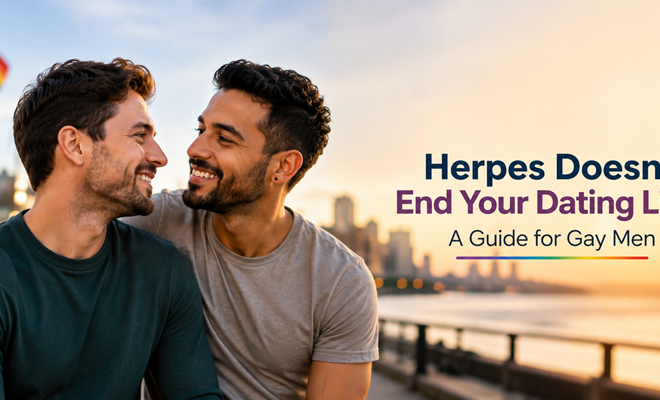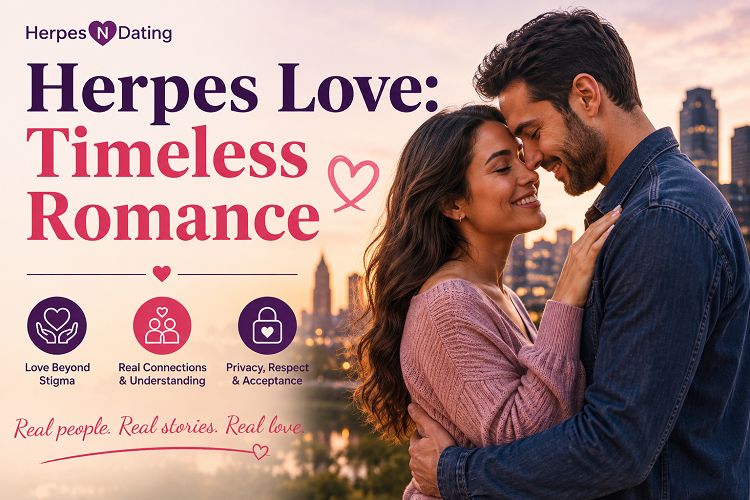
Love does not disappear after a herpes diagnosis. In many ways, it becomes more intentional, more honest, and more emotionally connected. People Living With Herpes still build lasting relationships, fall deeply in love, get married, and create meaningful partnerships every single day. The biggest difference is often the level of communication and trust that develops between partners.
For many people, the fear is not the virus itself. The fear comes from rejection, misunderstanding, or feeling “less than” in the dating world. But the reality is simple: herpes does not define love. A diagnosis cannot erase personality, kindness, attraction, loyalty, humor, or emotional connection.
Modern dating has changed, and more people are speaking openly about sexual health, emotional safety, and authentic communication. That openness has helped many singles discover that finding love with herpes is not only possible, but often leads to stronger and more compassionate relationships.
Love After Diagnosis Is Still Real
A herpes diagnosis can initially feel isolating. Some people stop dating for months or even years because they believe nobody will understand. But those fears are often larger than reality.
People who openly discuss herpes with partners frequently discover something surprising: many potential partners respond with maturity, empathy, and curiosity instead of judgment. Honest communication creates emotional closeness that many modern relationships lack.
That is why so many couples today are focusing on Meaningful Relationships With Herpes instead of chasing perfection. Real love grows through vulnerability, honesty, patience, and mutual respect.
Romantic connection is still possible when both people feel emotionally safe.
Emotional Intimacy Matters More Than Ever
One of the most overlooked parts of dating with herpes is the emotional growth it can create. Many couples report becoming closer because they learned how to communicate deeply from the beginning.
Strong relationships are built on more than attraction. They need emotional security, honesty, and trust. That is where Herpes And Emotional Intimacy often become connected.
When couples openly discuss boundaries, health, fears, and expectations, they build a stronger emotional foundation. Instead of hiding insecurities, they learn to support each other honestly.
This type of connection creates:
- Better communication
- More empathy between partners
- Greater emotional trust
- Stronger long-term compatibility
Many couples say that difficult conversations early in the relationship actually improved their emotional bond.
Building Confidence While Dating
Dating after a diagnosis can feel intimidating at first. Confidence may drop, especially after negative experiences or stigma online. But confidence is not about pretending herpes does not exist. Confidence comes from understanding your value beyond it.
True Confidence While Dating With Herpes starts when people stop seeing themselves as “damaged” and start seeing themselves as worthy of connection again.
Confidence can grow through:
- Learning accurate medical information
- Joining supportive communities
- Practicing disclosure conversations
- Meeting others with similar experiences
- Focusing on emotional compatibility
People are attracted to authenticity, emotional maturity, humor, warmth, and kindness. Those qualities matter far more than a diagnosis.
Honest Conversations Create Better Relationships
One reason herpes relationships can become emotionally strong is because couples often communicate more openly from the start.
Healthy relationships require transparency. That is why Honest Dating Conversations are so important.
Disclosure may feel stressful initially, but many people discover that honesty filters out emotionally immature partners while attracting people who value real connection.
A respectful conversation can include:
- Sharing facts calmly
- Explaining protection methods
- Discussing emotional concerns honestly
- Allowing space for questions
- Respecting the other person’s feelings
Most importantly, disclosure should happen without shame. A calm and confident conversation usually creates a healthier outcome than fear-driven communication.
Staying Connected Emotionally and Romantically
Long-term romance requires effort in every relationship, regardless of herpes status. Emotional closeness grows through consistent connection, thoughtful communication, and shared experiences.
Here are a few ways couples continue building intimacy:
Prioritize Quality Time
Busy schedules can weaken emotional connection. Couples who intentionally spend time together often feel more emotionally secure.
Simple moments matter:
- Cooking dinner together
- Evening walks
- Watching movies
- Weekend trips
- Daily check-ins
Romance is often built through consistency, not grand gestures.
Keep Communication Open
Avoiding emotional conversations creates distance. Couples who openly discuss fears, stress, health concerns, and emotional needs tend to stay connected longer.
Even difficult discussions can strengthen trust when approached with empathy.
Support Each Other During Outbreaks
One powerful form of Support For Herpes Couples is emotional reassurance during outbreaks or stressful periods.
Support may include:
- Offering comfort without judgment
- Helping reduce anxiety
- Maintaining affection
- Respecting boundaries
- Staying emotionally available
Compassion during vulnerable moments creates deeper trust.
Continue Flirting and Dating
Many long-term couples stop dating each other emotionally. Keeping romance alive matters.
Small romantic habits help relationships stay exciting:
- Sending thoughtful texts
- Planning date nights
- Giving compliments
- Celebrating milestones
- Expressing appreciation regularly
Love grows when both people continue investing emotionally.
The Role of Safe and Supportive Dating Spaces
Online communities and herpes-friendly dating platforms have helped many people regain confidence in modern dating.
Many singles prefer Secure And Private Herpes Dating platforms because they reduce anxiety around disclosure and create safer emotional environments.
These communities allow people to:
- Meet others with shared experiences
- Talk openly without fear
- Build friendships and relationships
- Learn from real-life stories
- Feel emotionally understood
For many users, these spaces reduce loneliness and increase hope.
Real Community Experiences
Across online communities, forums, and support groups, people consistently share stories about rediscovering love after diagnosis.
Many users describe feeling terrified at first, only to later build healthy and fulfilling relationships. Others explain how herpes taught them to value emotional maturity over surface-level attraction.
Community discussions often reveal common themes:
- Fear decreases with experience
- Disclosure becomes easier over time
- Supportive partners do exist
- Emotional honesty strengthens relationships
- Self-acceptance changes dating outcomes
These conversations continue helping others feel less alone.
Real Herpes Relationship Experiences
Many couples openly share their journeys to encourage others who feel hopeless after diagnosis.
These real herpes relationship experiences often highlight something important: successful relationships are built on emotional compatibility, not perfection.
One couple explained that herpes forced them to communicate honestly from the beginning, which prevented misunderstandings later in the relationship.
Another partner shared that disclosure actually increased trust because it demonstrated honesty and courage early on.
Many stories show that emotional safety matters far more than stigma.
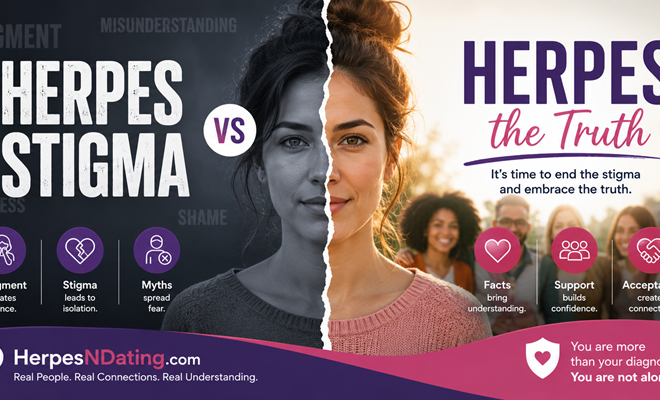
Breaking the Stigma Around Herpes and Love
Stigma often survives because of silence and misinformation. The more openly people discuss herpes, the more normal these conversations become.
Millions of people worldwide live with HSV, yet many continue to experience love, intimacy, marriage, and fulfilling relationships.
The truth is simple:
- Herpes does not remove your worth
- A diagnosis does not erase attraction
- Emotional intimacy still matters
- Healthy relationships are still possible
The dating world is slowly becoming more informed and compassionate.
FAQ
Can people with herpes still have successful relationships?
Yes. Many people living with herpes have long-term relationships, marriages, and healthy romantic lives. Open communication and trust are usually the most important factors.
When should I disclose herpes to a partner?
Most experts recommend discussing herpes before physical intimacy. Honest and respectful communication helps build trust and emotional safety.
Does herpes ruin dating life?
No. While dating may feel challenging initially, many people regain confidence and build fulfilling relationships after diagnosis.
Are herpes dating platforms safe?
Many people use secure and private herpes dating communities to meet others who understand their experiences. Privacy settings and supportive environments can reduce anxiety around disclosure.
How can I rebuild confidence after diagnosis?
Learning accurate information, joining support communities, practicing honest communication, and focusing on self-worth can help rebuild confidence while dating with herpes.
Why do emotional connections become stronger in some herpes relationships?
Many couples report that open discussions about health, vulnerability, and trust improve Herpes And Emotional Intimacy over time.
Final Thoughts
Romance does not end after a diagnosis. In many cases, relationships become stronger because they are built on honesty, empathy, and emotional understanding. People searching for Finding Love With Herpes often discover something unexpected along the way: authentic connection matters more than perfection.
Healthy love is still possible.
Meaningful intimacy is still possible.
Long-term commitment is still possible.
And most importantly, herpes does not define love.