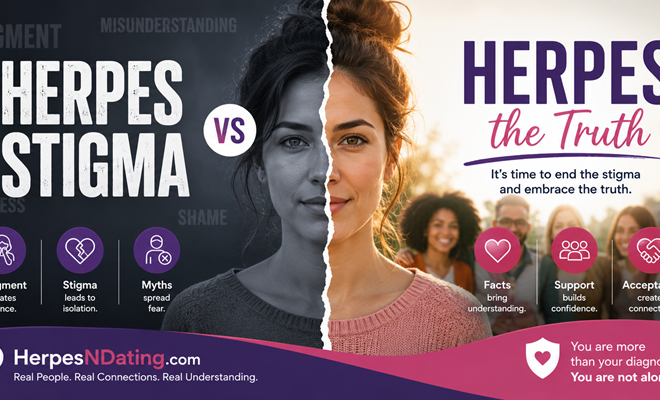
Today’s younger generation is reshaping how society views health, relationships, and authenticity. Among the most inspiring movements is the growing openness around dating and living with herpes. What was once shrouded in stigma and silence is now part of a larger, positive conversation about honesty, awareness, and emotional maturity.
Herpes — one of the most common viral infections worldwide no longer defines or limits young people’s ability to find love. Instead, millennials and Gen Z are demonstrating resilience, education, and empowerment. Through support groups, dating platforms, and honest conversations, they’re proving that life with herpes is not only manageable but can also lead to deeper, more authentic connections.
Understanding Herpes: A Common, Manageable Reality
To understand why young people are so successfully navigating life and dating with herpes, it helps to know the facts.
Herpes is caused by the herpes simplex virus (HSV), which comes in two forms:
-
HSV-1 — Often causes oral herpes (cold sores around the mouth).
-
HSV-2 — Typically causes genital herpes.
According to the World Health Organization (WHO), around 3.7 billion people under age 50 have HSV-1, and about 491 million people aged 15–49 live with HSV-2. This means herpes is incredibly common — so common, in fact, that most people will be exposed to it at some point in their lives.
The virus can remain dormant for long periods, reactivating occasionally due to factors like stress or illness. But thanks to antiviral medications and healthy living, outbreaks can be managed effectively.
The truth is clear: herpes is not a reflection of one’s morality or lifestyle choices — it’s a medical condition, no different from other common infections.
The Stigma: How Young People Are Breaking the Silence
For decades, the social stigma surrounding herpes created unnecessary shame. Misinformation and fear often left people isolated and afraid to talk about their diagnosis.
However, today’s youth are refusing to carry that weight. They’re challenging harmful stereotypes through education, humor, and transparency.
Platforms like TikTok, Instagram, and Reddit have become powerful tools for spreading awareness. Influencers and advocates share personal stories, debunk myths, and encourage others to approach sexual health with empathy and understanding.
This shift toward openness is vital. By breaking the silence, young people are replacing embarrassment with empowerment — and that’s changing the dating world forever.
From Shame to Strength: Finding Confidence After Diagnosis
A herpes diagnosis can initially feel overwhelming, especially for young people navigating relationships. But time and education often transform fear into confidence.
Many describe the diagnosis as a turning point — a moment that teaches them resilience, communication, and self-love. They learn to prioritize emotional health, set boundaries, and value authenticity in relationships.
One young woman in a herpes-positive forum described it best:
“Getting herpes forced me to be honest with myself and others. Now, I only date people who value openness and respect. It made me more confident, not less.”
This attitude is becoming increasingly common. For many, herpes becomes a catalyst for self-growth, not a barrier to happiness.
Herpes and Modern Dating: Technology Making Love Easier
Dating in the digital age has transformed the way young people connect — and that includes those living with herpes. The rise of herpes-friendly dating platforms has revolutionized the experience, making it easier to meet understanding partners without fear or judgment.
Some of the most trusted herpes dating platforms include:
-
PositiveSingles: The largest global community for people with herpes and other STIs, promoting relationships based on trust and empathy.
-
MPWH (Meet People with Herpes): A dedicated space for building friendships and long-term relationships with others who share similar experiences.
-
HWerks: A community-driven platform offering educational tools, support forums, and local meetups.
These platforms are about more than dating — they’re about creating community, connection, and confidence. They allow young people to skip awkward disclosures and instead focus on building genuine relationships.
Open Conversations: Honesty as a Foundation for Love
One of the biggest lessons young people with herpes have learned is the value of communication.
For many, the scariest part of dating with herpes is the “disclosure talk” — telling a potential partner about their status. But this conversation often becomes an opportunity to build trust.
Experts recommend being open once mutual interest and comfort are established. Framing herpes as a manageable health condition helps partners understand that it’s not a dealbreaker.
In fact, studies show that most people respond with empathy when herpes is discussed with confidence and facts. Transparency creates a foundation of respect, turning what could be a difficult conversation into a moment of connection.
Community Support: A Lifeline for Young Adults
No one should face herpes alone — and today’s youth don’t have to. Across the U.S. and beyond, herpes support groups and online communities have become vital resources for emotional and mental well-being.
Support communities offer:
-
Safe spaces to share experiences without judgment.
-
Education about treatment and safe dating practices.
-
Inspiration from people living full, happy lives with herpes.
-
Emotional support to counter feelings of shame or isolation.
From online forums like Reddit’s r/Herpes to in-person meetups through health organizations, these communities remind young adults that they are never alone — and that self-acceptance is the first step toward thriving.
Medical Management: Living a Healthy, Symptom-Free Life
Modern medicine has made managing herpes straightforward. Young people today are empowered with treatments and lifestyle strategies that make outbreaks rare and mild.
Common antiviral medications like Valacyclovir (Valtrex) and Acyclovir (Zovirax) can significantly reduce outbreak frequency and transmission risk. Some people opt for daily suppressive therapy, which helps keep the virus dormant and provides peace of mind.
In addition to medication, lifestyle habits also play a major role in maintaining health:
-
Regular sleep and exercise strengthen the immune system.
-
Stress management through yoga or mindfulness reduces outbreak triggers.
-
Healthy diet with lysine-rich foods (like fish and vegetables) can help prevent flare-ups.
These simple routines allow people with herpes to lead normal, vibrant lives — proving that health and happiness go hand-in-hand.
Mental Health: Healing Beyond the Physical
Herpes affects more than the body — it impacts emotions and self-image, especially for young adults navigating identity and intimacy.
Therapists and sexual health counselors emphasize that self-compassion is key to healing. Supportive therapy, journaling, and mindfulness can help reframe herpes from a source of shame into an opportunity for growth.
Mental wellness programs and sex-positive therapy sessions are becoming increasingly popular among Gen Z, helping people embrace self-acceptance. When mental health improves, confidence follows — and that confidence transforms every aspect of dating.
Changing Perceptions: Love Without Labels
Young people are not just participating in herpes dating — they’re changing how the world sees it. Through blogs, videos, and advocacy campaigns, they’re showing that love with herpes is as real and meaningful as any other relationship.
This generation is far more open about sexual health. Schools, universities, and nonprofits now promote inclusive sexual education that covers STIs without shame. Social media movements like #HerpesIsNormal and #StopTheStigma have amplified real voices, encouraging honesty and understanding.
Every open conversation chips away at stigma and builds a more compassionate world — one where herpes is seen not as a secret, but simply as part of human health.
The Science of Hope: Future Treatments and Research
Medical research continues to bring new hope. Scientists are developing therapeutic vaccines designed to reduce outbreaks and potentially prevent infection. Studies into CRISPR gene-editing show promise in targeting latent viral DNA — a potential step toward a long-term cure.
Pharmaceutical advancements like Pritelivir, a next-generation antiviral, are also showing success in clinical trials. These innovations mean the future of herpes management looks brighter than ever.
For young people, this progress reinforces optimism: science is on their side, and the best is yet to come.
Thriving Beyond Diagnosis: Stories of Strength
Real stories from young people living with herpes highlight how transformative acceptance can be.
One university student shared, “I used to feel broken after my diagnosis. But now, I’m dating someone who knows and loves me for who I am — not my status.”
Another added, “Herpes taught me to value honesty in relationships. It gave me a new perspective on self-worth and compassion.”
These voices reflect a growing movement of resilience, empathy, and empowerment among young adults.
Conclusion: Redefining Love and Living Fearlessly
Herpes may be a lifelong condition, but it’s no longer a life-limiting one. For young people today, it has become a symbol of strength, not shame.
Through education, support, and the courage to be open, millennials and Gen Z are proving that living with herpes is not about hiding it’s about thriving. They are building a world where honesty is the foundation of love, and health is understood without stigma.
Every person deserves connection, confidence, and care and that includes everyone living with herpes.
The message is simple: your diagnosis doesn’t define you. Your courage, compassion, and confidence do.
Read more: 15 Reasons Why People Love Herpes Dating Site.