For many people, hearing the word “herpes” can trigger fear, uncertainty, and assumptions about relationships. A herpes diagnosis often brings one difficult question to mind: Will anyone still want to date me? The truth is that while herpes may be a concern for some potential partners, it is not automatically a deal breaker in love, dating, or long-term relationships. Millions of people living with HSV continue to build healthy, fulfilling, and committed partnerships every day.
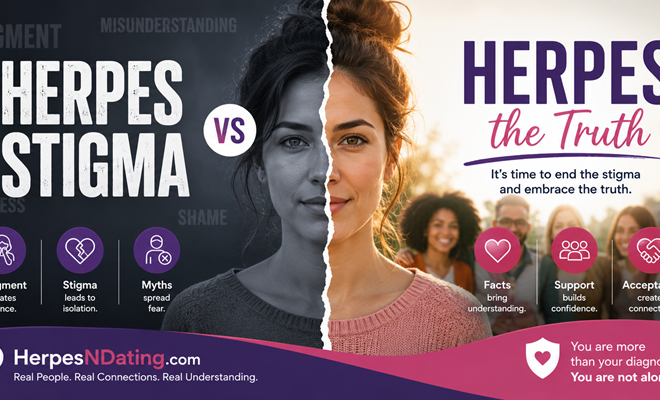
The bigger challenge is often not the virus itself but the stigma surrounding it. Misunderstandings about herpes can create anxiety, shame, and fear of rejection. Yet when people educate themselves about HSV, communicate honestly, and approach relationships with maturity, many discover that herpes becomes only one small part of a much larger connection.
Understanding Herpes Beyond the Stigma
Herpes is caused by the herpes simplex virus (HSV), primarily HSV-1 and HSV-2. HSV-1 is commonly associated with oral herpes, while HSV-2 is more frequently linked to genital herpes. However, either type can affect either area of the body through intimate skin-to-skin contact.
What many people do not realise is how common herpes actually is. A large percentage of adults carry HSV, and many never experience noticeable symptoms. Because of this, someone may have herpes without even knowing it. Despite its prevalence, social misconceptions often make herpes seem far more uncommon and frightening than it truly is.
Why Some People See Herpes as a Deal Breaker
Not everyone reacts the same way when they learn a partner has herpes. Some people may decide they are uncomfortable accepting any level of transmission risk. Others may have personal health concerns, past experiences, or simply a lack of understanding about the condition.
Common concerns include:
- Fear of contracting HSV
- Worries about future sexual intimacy
- Anxiety about outbreaks
- Concerns about discussing herpes with future partners
- Social stigma and judgment from others
These concerns are real and deserve respect. Every person has the right to make informed decisions about their health and relationships. However, many initial fears decrease significantly once people learn the facts about herpes transmission and management.
Why Herpes Is Not a Deal Breaker for Many People
Many successful relationships involve one or both partners living with herpes. For these couples, trust, communication, compatibility, and emotional connection outweigh the diagnosis itself.
People often discover that:
- Herpes does not define a person’s character.
- HSV can be managed with medication and safer-sex practices.
- Relationships involve many challenges beyond health conditions.
- Emotional compatibility matters more than a medical label.
- Honest disclosure can strengthen trust between partners.
Medical professionals and relationship experts frequently emphasize that herpes does not prevent someone from having a satisfying romantic or sexual life. With proper precautions, many couples maintain healthy relationships for years without transmission occurring.
The Importance of Honest Disclosure
One of the most important aspects of dating with herpes is disclosure. Telling a potential partner about HSV can feel intimidating, but honesty creates the foundation for informed consent and trust.
When discussing herpes:
- Choose a calm, private setting.
- Talk before sexual activity occurs.
- Share accurate information about HSV.
- Explain the risk-reduction methods you use.
- Allow your partner time to process the information.
- Be prepared for questions.
Many people fear rejection, but disclosure also helps identify partners who are mature, informed, and genuinely interested in building a relationship. Open communication often leads to stronger connections and greater emotional intimacy.
Reducing Transmission Risk
Modern herpes management offers several ways to reduce transmission risk.
Antiviral Medication
Daily suppressive antiviral therapy can reduce outbreaks and lower the likelihood of transmitting HSV to a partner. Many people living with herpes use medication as part of their long-term management plan.
Barrier Protection
Using condoms and other barrier methods helps reduce exposure to the virus during sexual activity. While no method offers complete protection, barriers significantly decrease risk.
Avoiding Intimacy During Outbreaks
Recognising symptoms and avoiding sexual contact during active outbreaks is one of the most effective ways to protect partners.
The Emotional Impact of Rejection
Even when someone handles disclosure responsibly, rejection can still happen. It is important to remember that rejection does not determine your worth.
People decline relationships for countless reasons:
- Different life goals
- Lack of chemistry
- Distance
- Timing
- Health preferences
A decision not to date someone with herpes reflects personal boundaries, not the value of the individual living with HSV. Many people who initially experience rejection later find accepting and supportive partners who see them as a whole person rather than a diagnosis.
What Real Conversations Reveal
Across dating communities, discussions about herpes often reveal a more nuanced reality than many expect. Some people acknowledge that HSV is a concern, while others believe the social stigma surrounding herpes is often more difficult than the condition itself. Many participants emphasise education, transparency, and informed decision-making rather than automatic rejection.
This reflects an important truth: people approach relationships differently. For some, herpes is a deal breaker. For others, it is simply one factor among many when evaluating compatibility.
Building Confidence While Dating With Herpes
Confidence is often more attractive than perfection. People living with herpes can improve their dating experience by:
- Learning accurate information about HSV
- Practising disclosure conversations
- Maintaining good physical and emotional health
- Connecting with supportive communities
- Avoiding self-stigma
- Focusing on compatibility rather than approval
The right relationship is built on honesty, respect, attraction, and shared values—not the absence of a common virus.
Is Herpes a Deal Breaker? The Real Answer
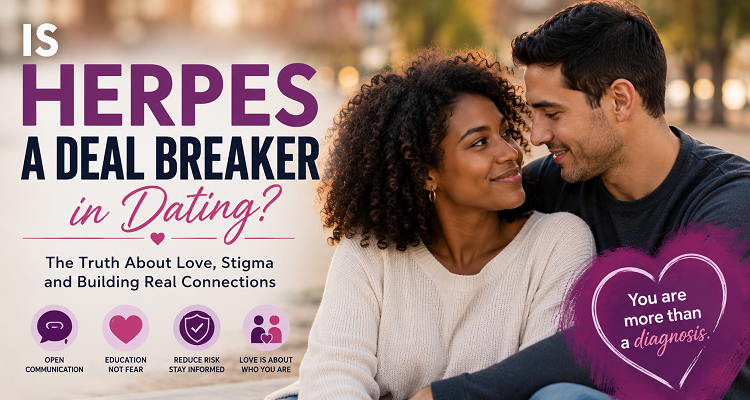
Herpes is a deal breaker for some people, and that is their personal choice. But for many others, it is not. Education, communication, trust, and mutual respect often matter far more than an HSV diagnosis. The question is not simply whether herpes is a deal breaker; it is whether two people are willing to build a relationship based on understanding rather than fear.
A herpes diagnosis may change certain conversations, but it does not e
Frequently Asked Questions
Is herpes a deal breaker for most people?
Not necessarily. While some individuals choose not to date someone with herpes, many others are willing to learn about HSV and make informed decisions based on facts rather than stigma.
Should I tell someone I have herpes before dating?
You do not need to disclose on a first message or first date, but you should tell a potential partner before sexual activity occurs so they can make an informed choice.
Can people with herpes have successful relationships?
Yes. Millions of people living with HSV maintain healthy, loving, and long-term relationships. Herpes does not prevent emotional intimacy or commitment.
How can couples reduce the risk of herpes transmission?
Risk can be lowered through antiviral medication, barrier protection, avoiding intimacy during outbreaks, and maintaining open communication.
Does having herpes mean my dating life is over?
No. Many people continue to date, marry, and build families after a herpes diagnosis. While disclosure can feel challenging, herpes does not define your ability to find meaningful relationships.